1
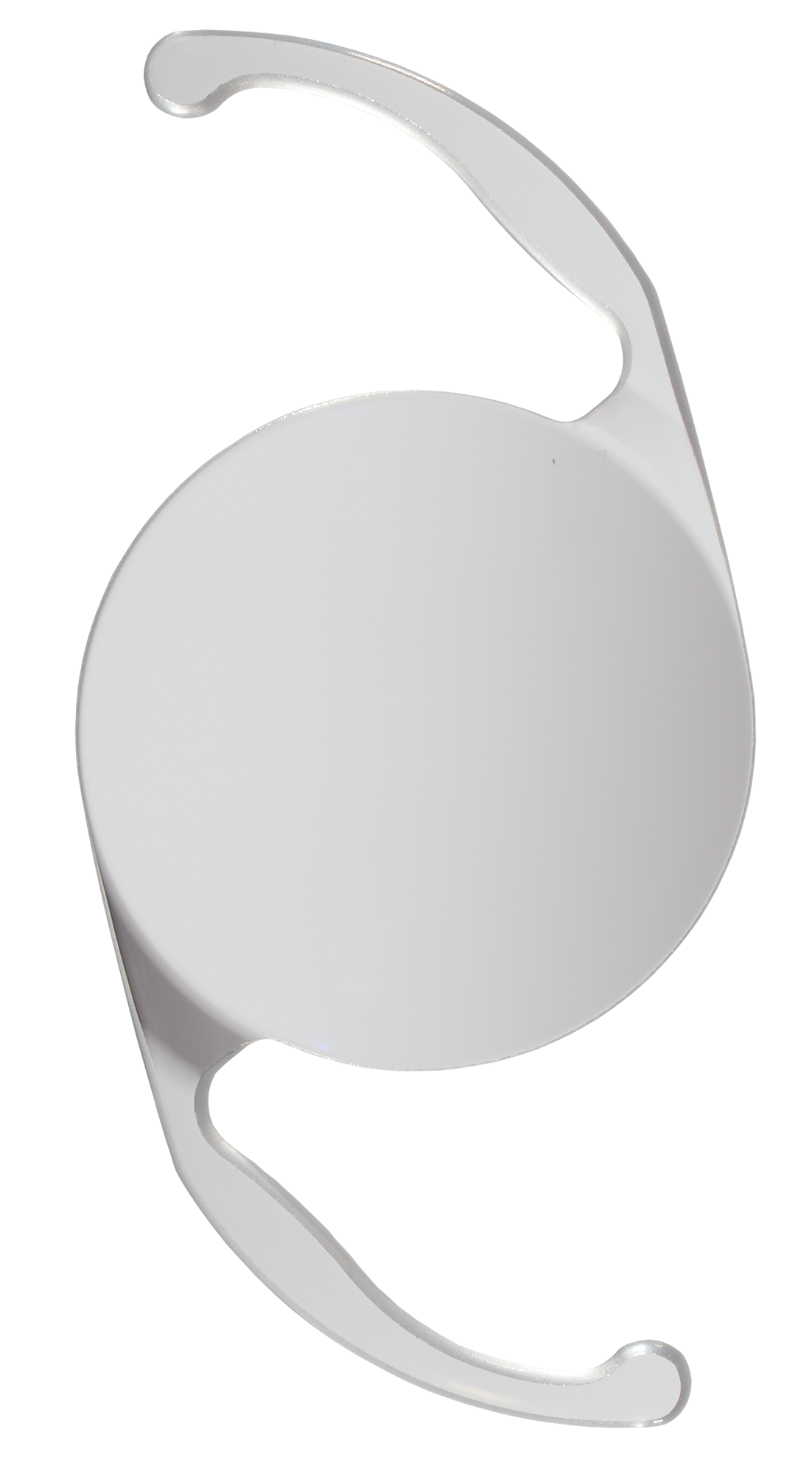
Monofocal IOL — Standard
- Sharp focus at one distance — usually distance vision
- Cost-effective, with an excellent track record
Best for: patients who don't mind wearing glasses for reading.
Covered by insurance
What a cataract is, will surgery help you, and how to think through your lens options before your consultation.
A cataract is another word for clouding of the natural lens in your eye, that occurs with age. When a cataract develops, the lens has become larger and browner, and the light aimed at the retina scatters — causing vision to deteriorate.


Clear & healthy
Light passes through cleanly and focuses to a single sharp point.

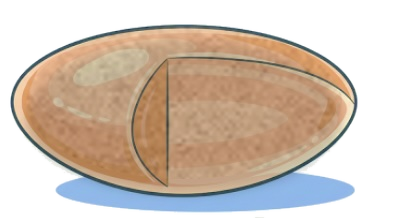
Clouded & Dims Vision
Light scatters on its way to the retina, so vision blurs and dims.
Blurry vision despite glasses
Poor vision in dim lights or nighttime
Glare from sunlight or bright lights, especially at nighttime
Faded colors
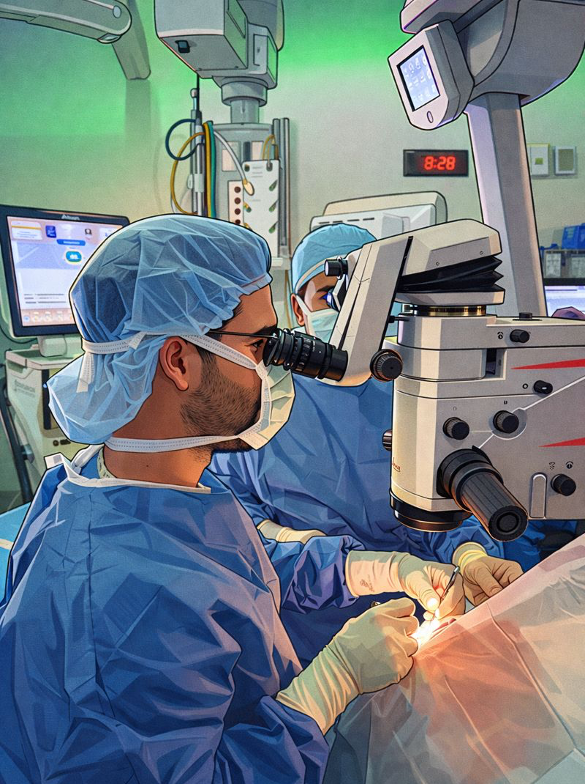
The procedure is quick, safe, and uses numerous state-of-the-art technology for planning. We remove your cloudy lens and replace it with a personalized, permanent Intraocular Lens (IOL) chosen by you.
The procedure itself is quick — most cases are done start to finish within half an hour.
You'll lie flat and receive MAC sedation — a light sedation that keeps you relaxed while your eye is numbed.
This is outpatient surgery, so you'll go home the same day rather than staying overnight.
If you're on blood thinners, there's usually no need to stop them — you can typically continue your regular medications as prescribed.
This can be a convenient time to treat both conditions in one visit. As a glaucoma specialist, Dr. Bhargava can often perform a MIGS (Minimally Invasive Glaucoma Surgery) procedure during the same surgery, adding only about 5 minutes to your time in the OR. MIGS can help lower your eye pressure and, for many patients, reduce the number of glaucoma drops needed afterward.
Anesthetic eye drops and light sedation keep you comfortable and relaxed throughout.
A tiny, self-sealing incision is made. An ultrasonic probe breaks the cloudy lens in half and gently suctions each piece away.
Your IOL — complete with fine supporting haptics — arrives rolled up, then is inserted through the same tiny incision and gently unrolls into place. No stitches needed.
Most patients notice sharper, brighter vision within a few days, continuing to improve as your eye heals.
Four IOL types are available, each suited to a different lifestyle and set of priorities. Jump to side-by-side Comparison
A monofocal IOL with additional astigmatism correction
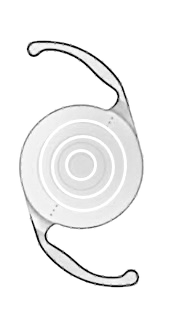
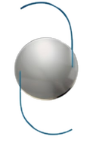

One of the most important decisions is selecting the right IOL for your lifestyle and vision goals. Modern IOLs offer many options, and your surgeon will help you choose the lens that best fits your needs and preferences. Think about your lifestyle and vision priorities, and discuss these with your surgeon:
Do you want to minimize glasses for most activities?
Which is more important — clearest vision while driving (distance), computer/reading (middle), or book reading (near)?
How do you feel about potential glare or halos at night?
Do you have astigmatism? Have you had previous LASIK, PRK, or RK surgery?
There is no “best” lens — only the best lens for you.
| Feature | Monofocal | Toric | EDOF | LAL |
|---|---|---|---|---|
| Distance vision | ||||
| Corrects astigmatism | – | |||
| Reading vision | – | – | ||
| Suits other eye conditions | – | |||
| Relative cost | – | $ | $$ | $$$ |
✓ generally included · – not applicable or not typically needed · $ relative out-of-pocket cost beyond insurance coverage
Bring your answers to the lifestyle questions above to your consultation — they'll help guide the conversation about which lens is right for you.
Make an appointment to see Dr. Bhargava:
Get in touch →